
English| EUR
Suggested for you
More currencies
Choose a language
The Gulf of Oman supports resident dolphin populations year-round, but sighting frequency and species diversity shift with water temperature and plankton cycles. This guide clarifies the seasonal patterns that determine encounter probability.
Quick answer
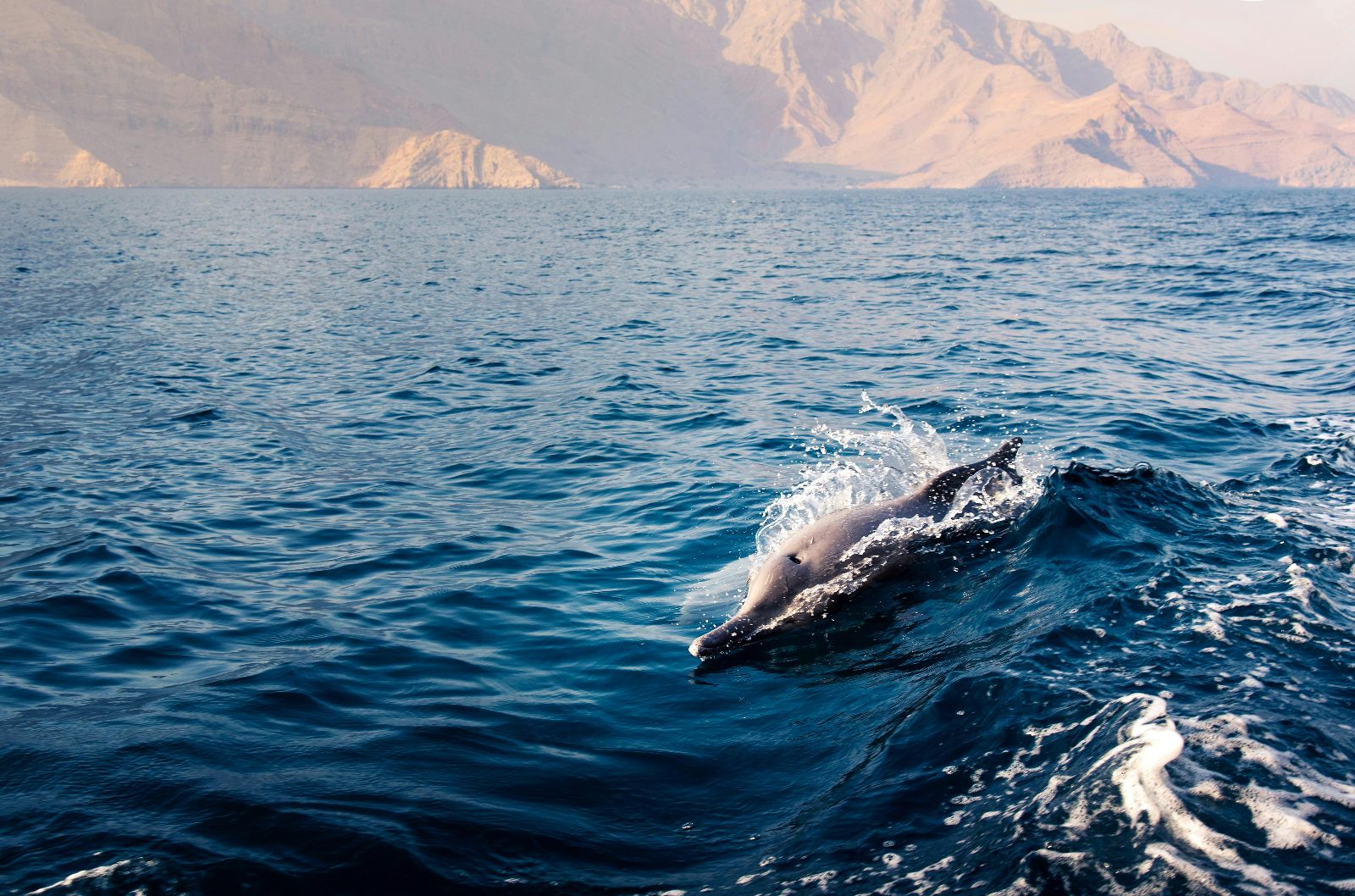
Dolphin watching Muscat season operates throughout the year, with the highest sighting rates occurring between October and May when cooler water temperatures concentrate baitfish near the coast. Spinner dolphins and Indo-Pacific bottlenose dolphins appear most reliably during these months. Summer conditions from June through September bring warmer surface temperatures that disperse prey species, reducing sighting consistency though tours continue daily at 18 OMR per person.
The Gulf of Oman hosts four resident dolphin species, and their visibility follows predictable thermal and biological cycles rather than strict migration patterns. Spinner dolphins and Indo-Pacific bottlenose dolphins remain in Muscat's coastal waters year-round, but their foraging depth and distance from shore shift with seasonal upwelling currents. October marks the start of the dolphin watching muscat season's most productive phase. Northeast monsoon winds cool surface waters to 24–26°C, triggering plankton blooms that draw sardines and anchovies into shallow feeding zones within five kilometers of Marina Bandar Al Rowdha. Spinner dolphins follow these baitfish aggregations, often appearing in pods of twenty to fifty individuals during early morning departures. December through February delivers the coolest water temperatures and the densest prey concentrations, resulting in sighting rates above ninety percent on calm days. Humpback dolphins and Risso's dolphins also appear more frequently during these months, though in smaller numbers. March and April sustain strong sighting probability as water temperatures begin their gradual climb toward summer peaks. May represents a transition month—surface warming accelerates, baitfish disperse into deeper offshore zones, and dolphin pods spread across a wider range. June through September brings the southwest monsoon and surface temperatures reaching 30–32°C. Dolphins remain present but forage at greater depths and distances, reducing encounter frequency. Tour operators maintain the same 07:45–14:00 schedule throughout summer, and sightings still occur on most departures, but pods tend to be smaller and farther from shore. Water clarity also follows seasonal patterns. Winter and early spring offer visibility of fifteen to twenty meters, allowing underwater observation when dolphins approach the boat. Summer months reduce clarity to eight to twelve meters due to increased sediment suspension. For visitors prioritizing consistent encounters and optimal viewing conditions, the dolphin watching muscat season guide points to the October–May window, with December through March delivering the most reliable results.
“Spinner dolphins follow baitfish aggregations triggered by winter upwelling, often appearing in pods of twenty to fifty individuals during the peak season.”
Dolphin watching tours operate daily from Marina Bandar Al Rowdha. These consistent hours allow for departures throughout the morning and early afternoon.
Dolphin watching departures are located at Marina Bandar Al Rowdha in Muscat, which is accessible primarily via the coastal road network. Visitors are advised to utilize private transport or local taxi services to reach the marina facilities directly.
Follow Route 1 (Sultan Qaboos St) towards Sidab
Direct service to Marina Bandar Al Rowdha
Plan your arrival to fall within the 07:45–10:00 window, as early morning departures provide the highest probability of dolphin sightings and more comfortable temperatures.
Confirm these essentials before your early morning departure to maximize comfort and sighting success.
Everything you need to know about dolphin watching muscat season
While wildlife is active year-round, the dolphin watching muscat season is generally considered optimal during the cooler months when sea conditions are calm. Local marine experts often recommend visiting between October and April to balance pleasant weather with high sighting probabilities. Sightings are common in the Gulf of Oman, though these are wild animals and appearances cannot be guaranteed on every Muscat boat tour. Captains rely on their extensive experience navigating these coastal waters to locate pods throughout the year. The standard entrance fee for a dolphin watching Muscat tour is 18 OMR per adult. This base price applies to standard group excursions departing from the marina. We suggest checking availability online to secure your preferred departure date for your dolphin watching muscat season adventure. Booking ahead ensures you have a spot reserved on the boat and allows you to plan your transport to the marina efficiently. Yes, families are welcome to join a Muscat marine excursion, making it a popular activity for visitors of all ages. Parents should ensure children are comfortable on the water and supervised at all times during the transit. The best arrival window for your dolphin watching muscat season trip is between 07:45 and 10:00. Early departures provide the highest probability of sightings and help avoid the heat of the midday sun in the Gulf of Oman.